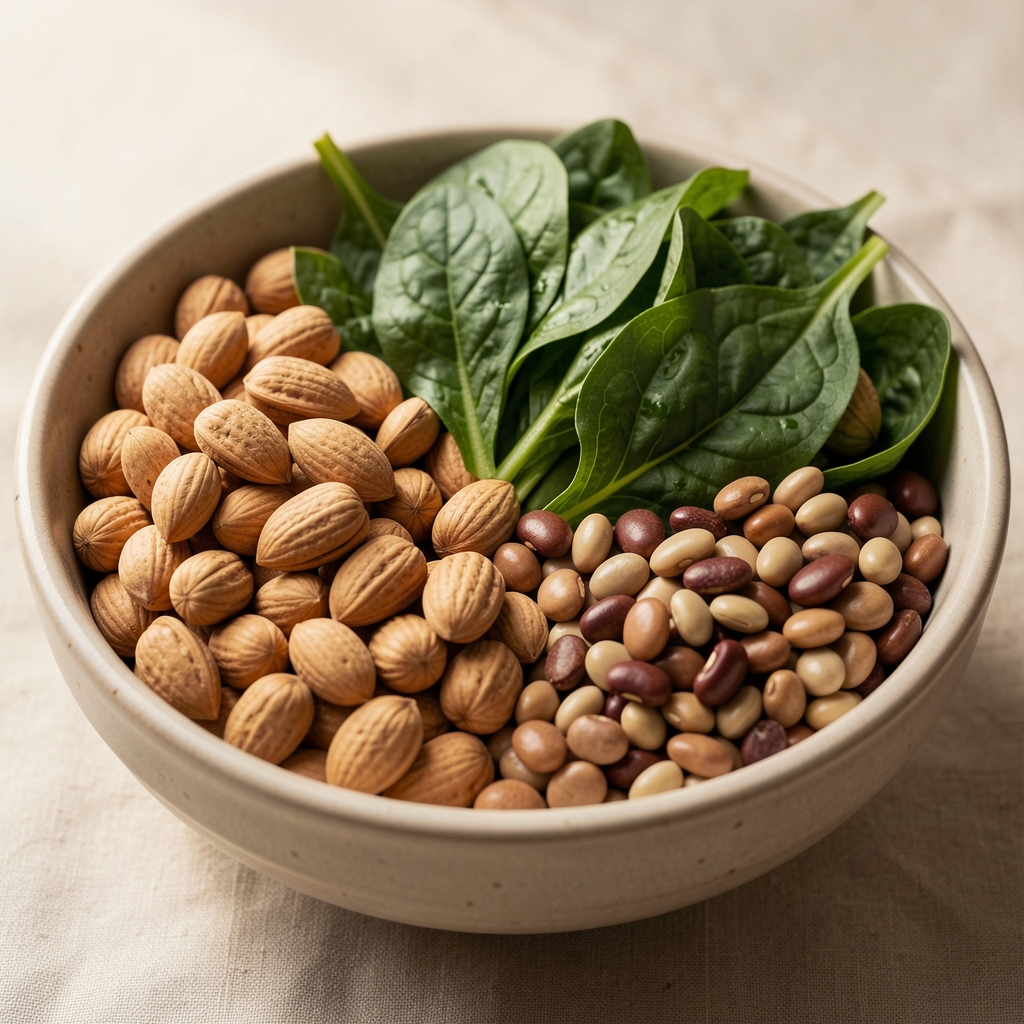
Omega-3 enters many men's routines through a label, yet its first context is often the meal. In Jakarta, fish, rice, vegetables, sambal, fruit, and shared dishes create a food pattern that is more varied than a single nutrient line. A useful reading therefore begins with EPA and DHA vocabulary, then returns to the ordinary plate.
EPA and DHA in plain language
EPA and DHA are specific omega-3 fats associated with oily fish. Labels may describe an oil's total amount while presenting EPA and DHA as separate figures, so careful reading matters. The distinction is useful for anyone comparing a food supplement men Jakarta shelf with fish and other whole food sources.
Flaxseed and walnuts add another angle through plant-based omega-3 forms. They belong in the wider conversation about dietary variety, even though the forms are not identical. The editorial point is proportion: a label can inform a routine, while meals provide texture, culture, and many nutrients at once.
The Jakarta food pattern
Workdays can compress breakfast and lunch, particularly around long commutes. A simple record of fish meals, vegetables, legumes, and snacks may reveal more about nutritional balance than an isolated purchase. This is why omega-3 men Jakarta coverage should include markets, kitchens, and timing rather than only product packaging.
Local meals also change across households. Grilled fish, soup-based dishes, and vegetable-forward plates each contribute differently to a week's nutritional variety. Reading a supplement label alongside this pattern, rather than instead of it, keeps the conversation grounded.
Reading a fish oil label without guesswork
A fish oil or algae-based omega-3 label typically lists a total oil amount, then EPA and DHA as separate figures within that oil. Some labels also disclose the source — anchovy, sardine, salmon, or a marine algae form for readers who avoid fish products. None of these formats are inherently better on the page; the details that matter are the EPA and DHA figures, the serving size, and how the product fits an existing weekly food pattern.
- Check whether EPA and DHA are listed separately or only as a combined total.
- Note the serving size — one capsule, two capsules, or a measured liquid dose.
- Compare the source: fish oil, algae oil, or a blend, particularly for readers avoiding fish products.
- Look for a manufacture or best-before date rather than relying on packaging claims alone.