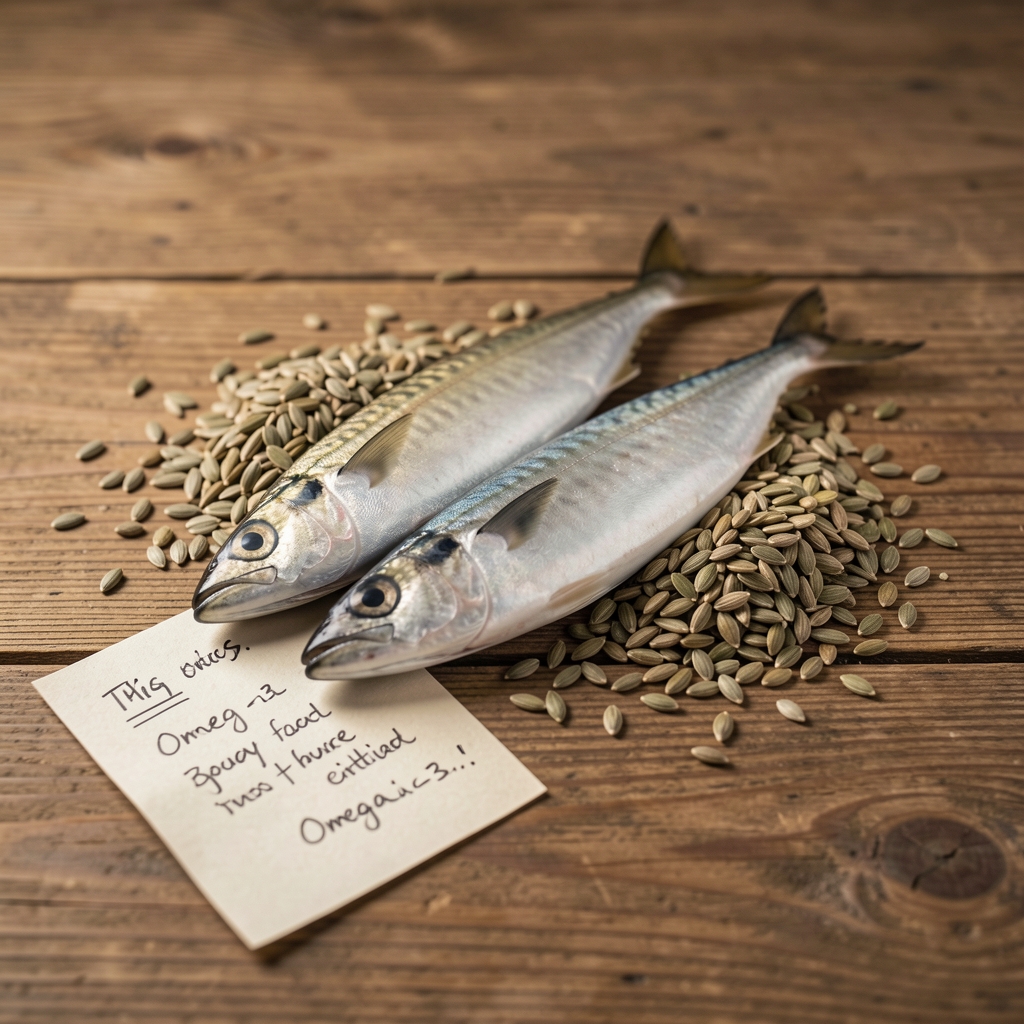
Ingredient literacy
EPA+DHA, CoQ10, and magnesium taurate receive plain descriptions grounded in published nutritional research and ordinary weekly schedules.
Oranel is an English editorial blog examining omega-3 EPA+DHA, CoQ10, magnesium taurate, food patterns, and practical nutritional awareness for adult men in Indonesia.
Featured reading
From Jakarta routines to Indonesian food markets, the publication places everyday dietary choices in context. Each article separates ingredient vocabulary, serving labels, food sources, and the habits that surround them.
EPA+DHA, CoQ10, and magnesium taurate receive plain descriptions grounded in published nutritional research and ordinary weekly schedules.
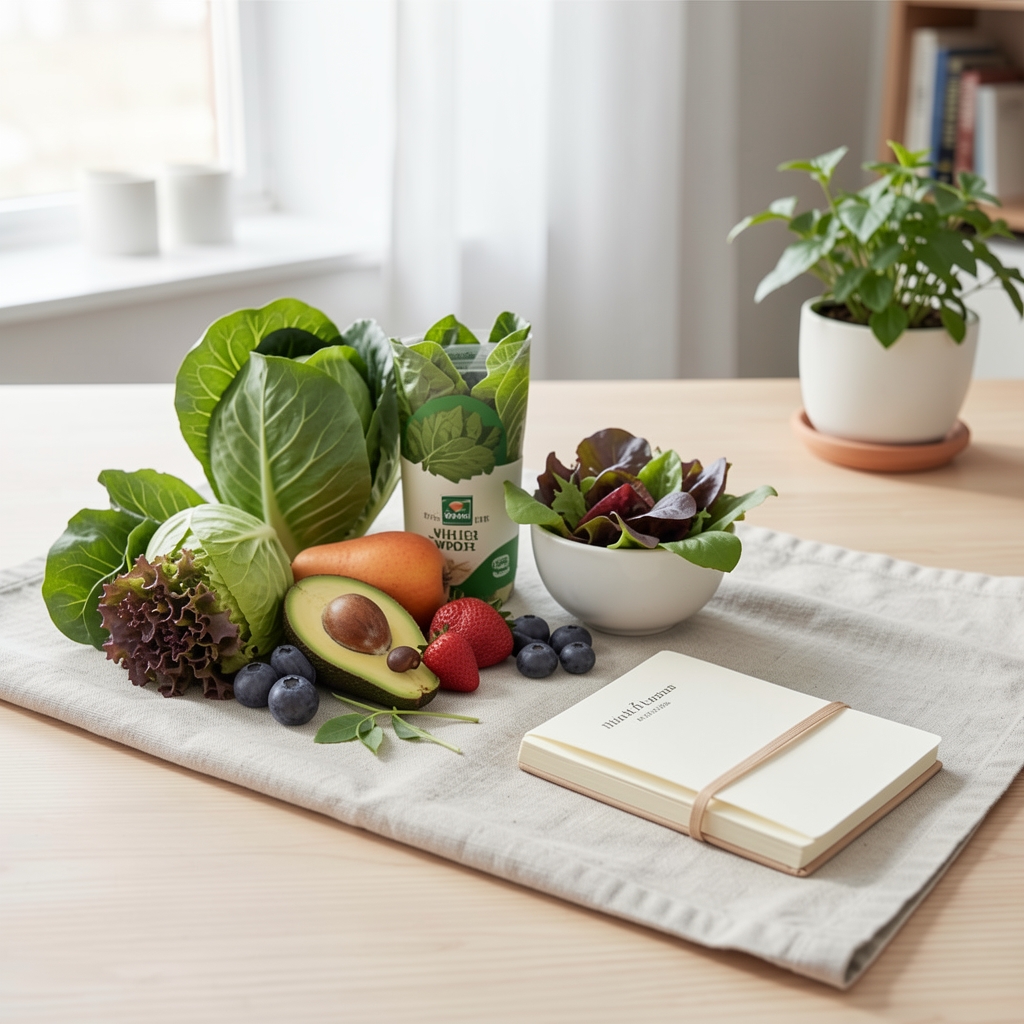
Supplement conversations remain connected to fish, seeds, vegetables, legumes, and the varied meals available across Jakarta.
Oranel uses calm, precise copy. It records observations without promising a particular outcome or replacing independent professional guidance.
Core nutrients profiled across the archive — omega-3 EPA+DHA, CoQ10, and magnesium taurate
Keyword topics reviewed and cross-checked each month by the editorial desk
Editorial passes applied to every article before publication
Current publication year for the Jakarta editorial desk
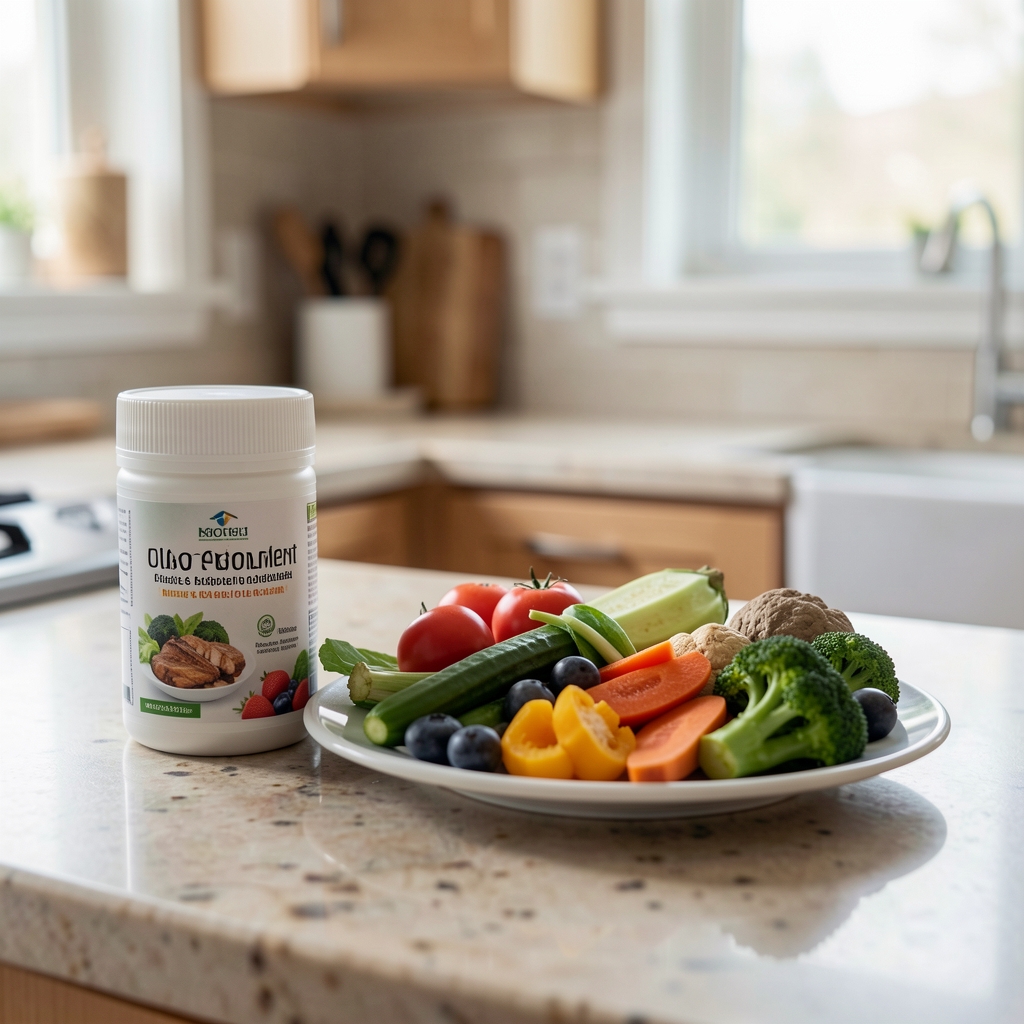
A single ingredient rarely tells the full story. Oranel’s articles place a supplement label beside the meals, commutes, and family routines it sits within, so a reader can judge relevance for their own week rather than a generic claim.
This approach favours plain description over promotion: what an ingredient is, where it commonly appears in Indonesian food sources, and how writers have discussed it in published nutritional literature.
Read the methodologyA short reference for readers comparing coverage across the archive. Details expand in the linked articles.
| Nutrient | Common food sources | Typical serving context | Editorial note |
|---|---|---|---|
| Omega-3 EPA+DHA | Oily fish, flaxseed, walnuts | Often taken alongside a meal | Covered in the Jakarta table article |
| CoQ10 | Organ meats, oily fish, whole grains | Frequently paired with a daily routine | Covered in the current issue |
| Magnesium taurate | Nuts, leafy vegetables, legumes | Commonly noted in evening routines | Covered in the current issue |
Writers gather published nutritional sources and Jakarta-specific food context before drafting.
Ingredient vocabulary is separated from serving labels and everyday food language.
A second reader confirms that food sources and routines described match common Jakarta patterns.
A final read checks tone, accuracy, and proportion before an article is scheduled.
“We try to write about a supplement the way we would describe a food source — plainly, in context, and without asking a reader to take a single ingredient on faith.”
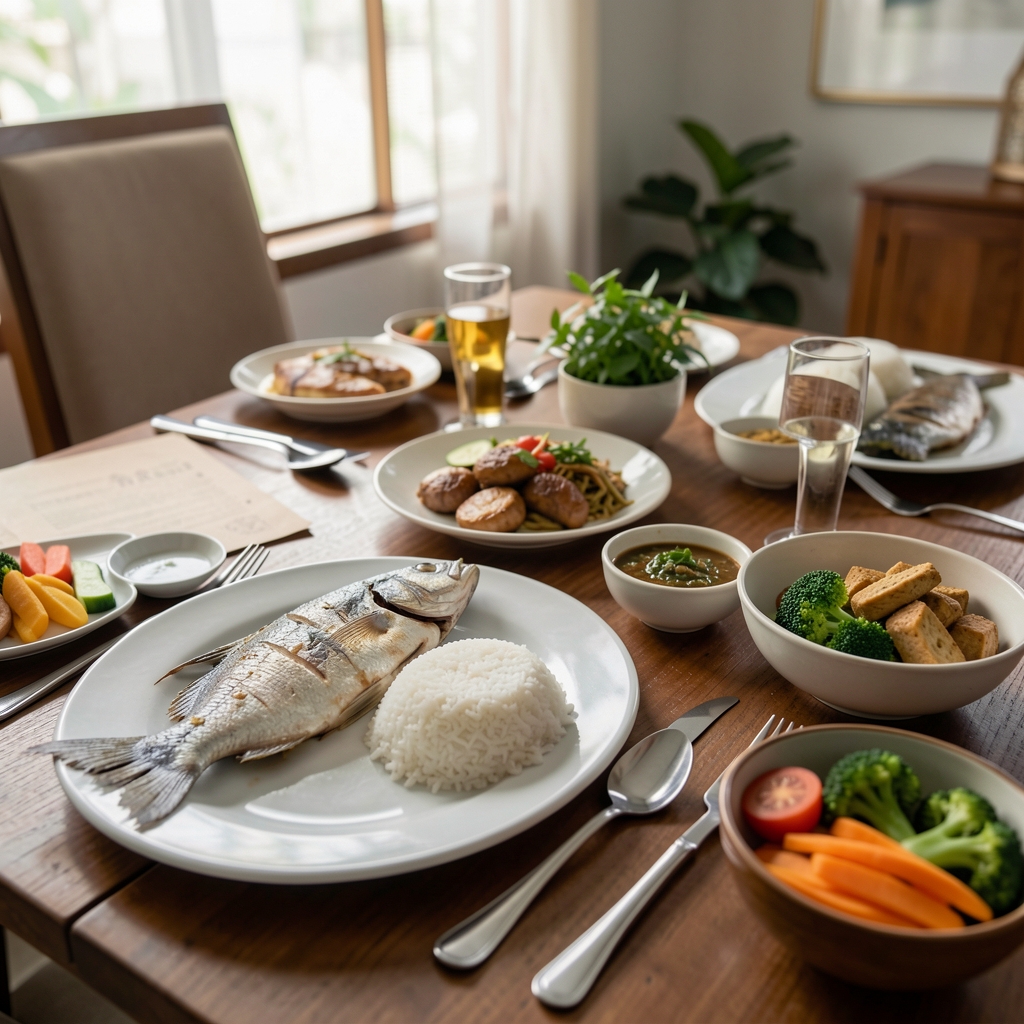
How everyday Jakarta meals intersect with omega-3 EPA+DHA discussions, from fish markets to weekday dinners.
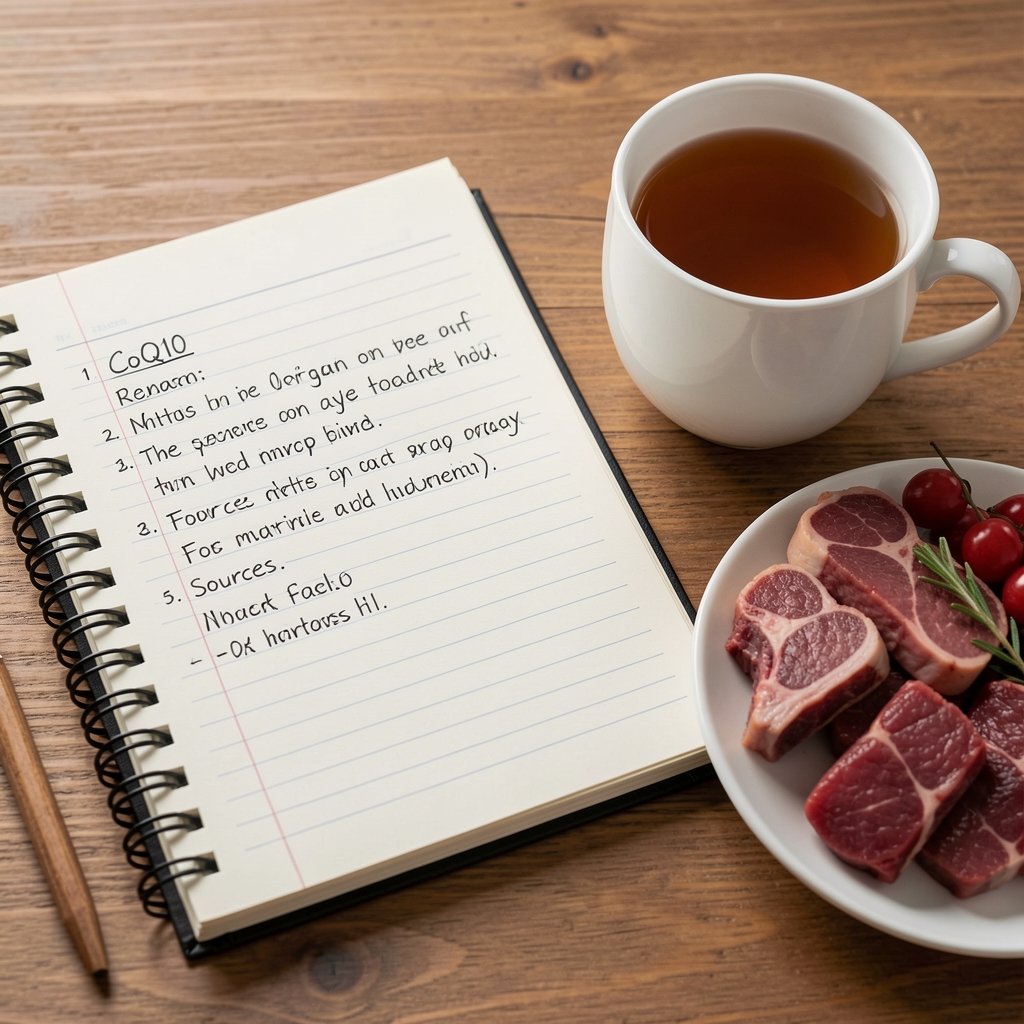
A closer look at how CoQ10 appears in food sources and in daily-routine conversations among Jakarta readers.
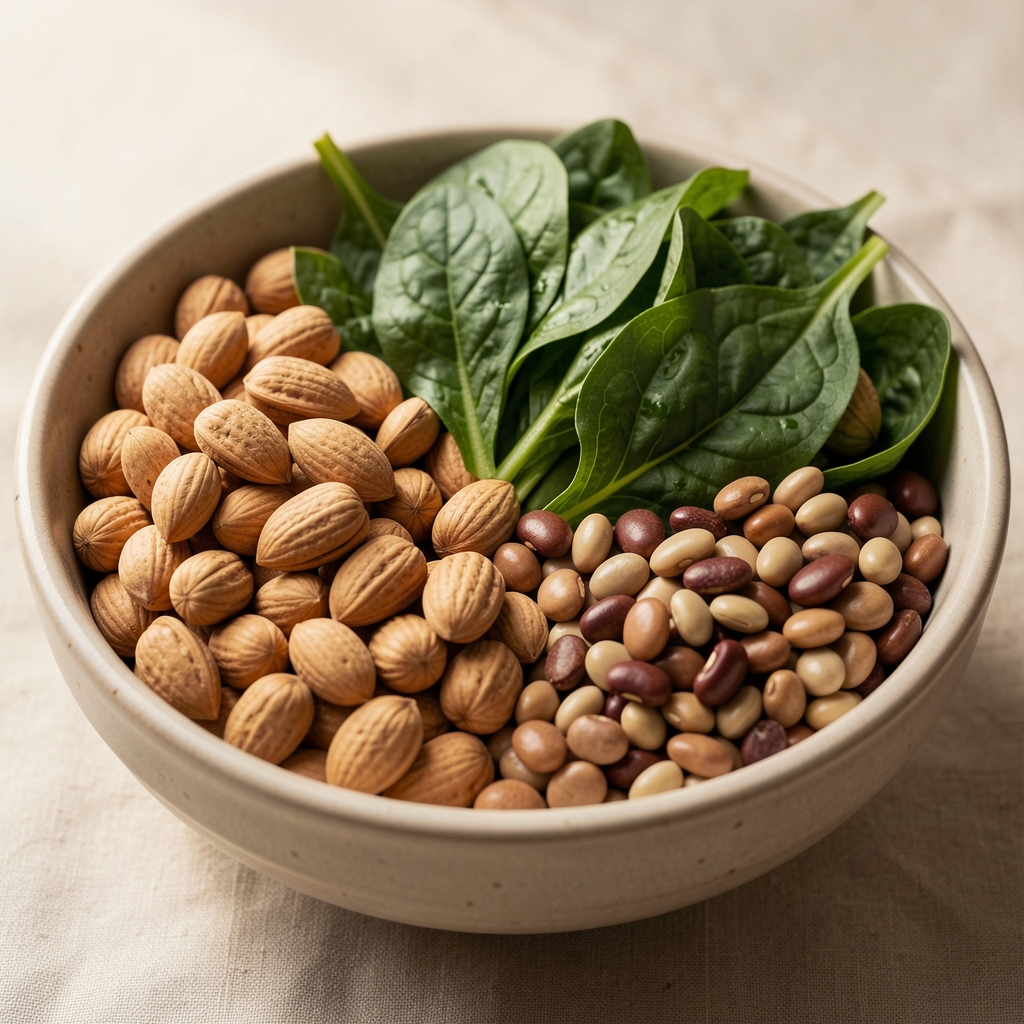
Placing magnesium taurate discussions next to the vegetables, nuts, and legumes already on the table.
Oranel is an independent editorial publication. For questions about how a supplement fits a personal routine, an independent conversation with a qualified health or nutrition professional remains a useful next step, particularly for readers with existing health considerations.
Everyday dietary supplement habits, food context, and nutritional awareness for adult men in Indonesia, with particular attention to omega-3 EPA+DHA, CoQ10, and magnesium taurate.
No. Oranel is an independent editorial publication and is not affiliated with any commercial, governmental, or institutional body.
Writers draw on published nutritional research and cross-read drafts internally before publication, as described on the methodology page.
No. Content published by Oranel is editorial in nature and is not intended as professional health advice.
New articles are added as ingredient research, food sourcing notes, and reader questions are reviewed by the editorial desk.
Read the latest issue